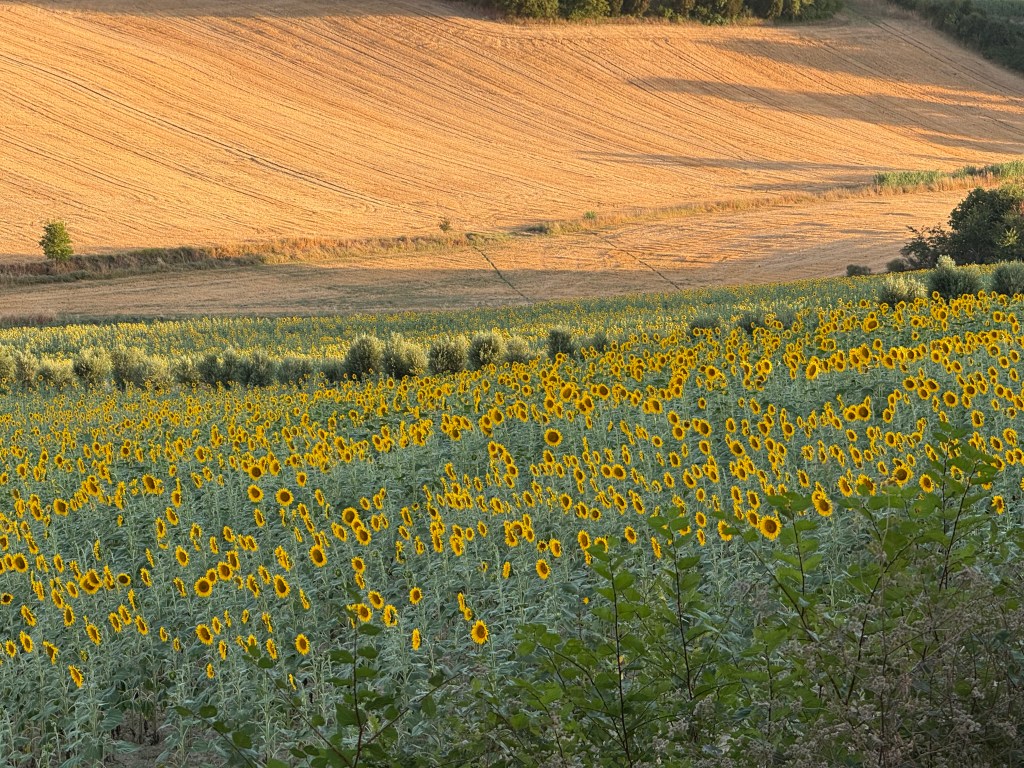
There’s a quiet magic to Umbria – the kind that doesn’t shout, but lingers.
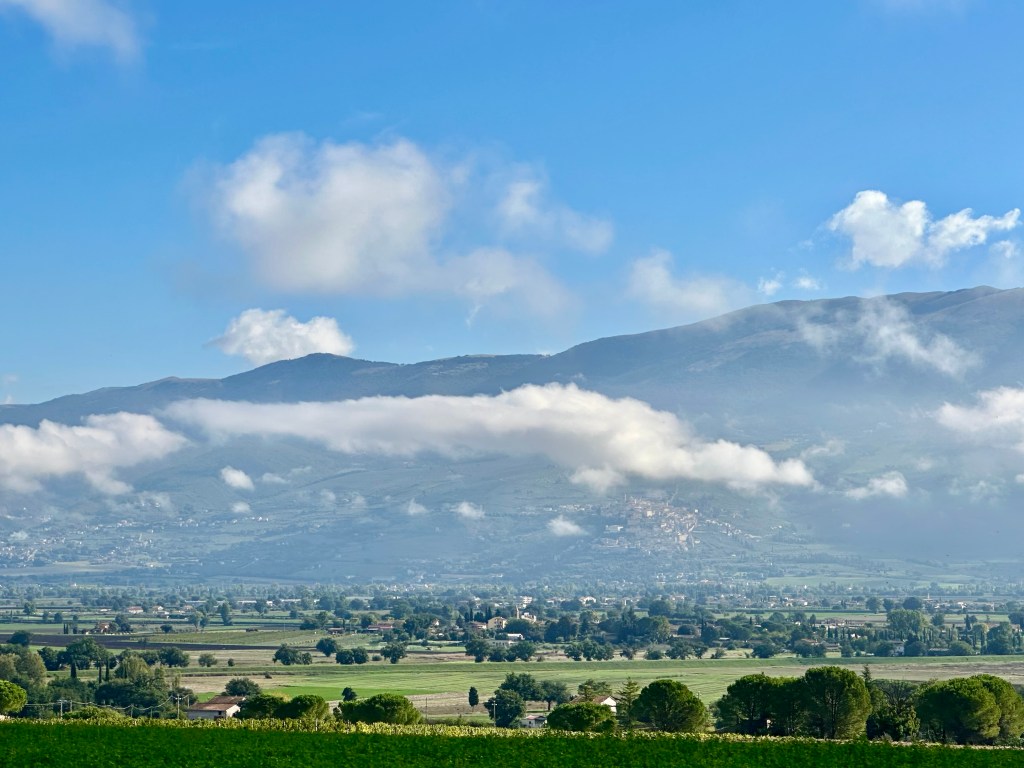
Tucked in the heart of Italy, between Tuscany (or Toscana) and Lazio, it’s often overlooked in favour of bigger names like Rome (Roma), Florence (Firenze), or Venice (Venezia). But those who find their way here are rewarded with a more intimate Italy – one of hilltop towns wrapped in mist, stone houses warmed by terracotta roofs, and meals that taste like they’ve been cooked the same way for generations. Unlike its polished neighbour Tuscany, Umbria feels less performed and more lived-in.
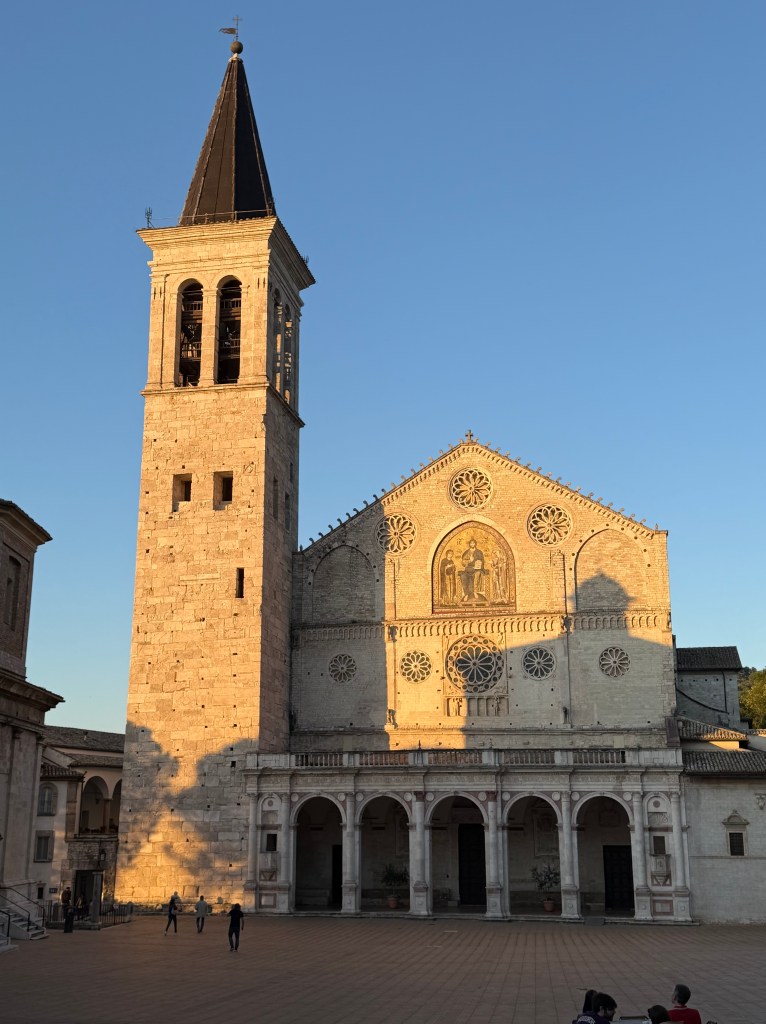
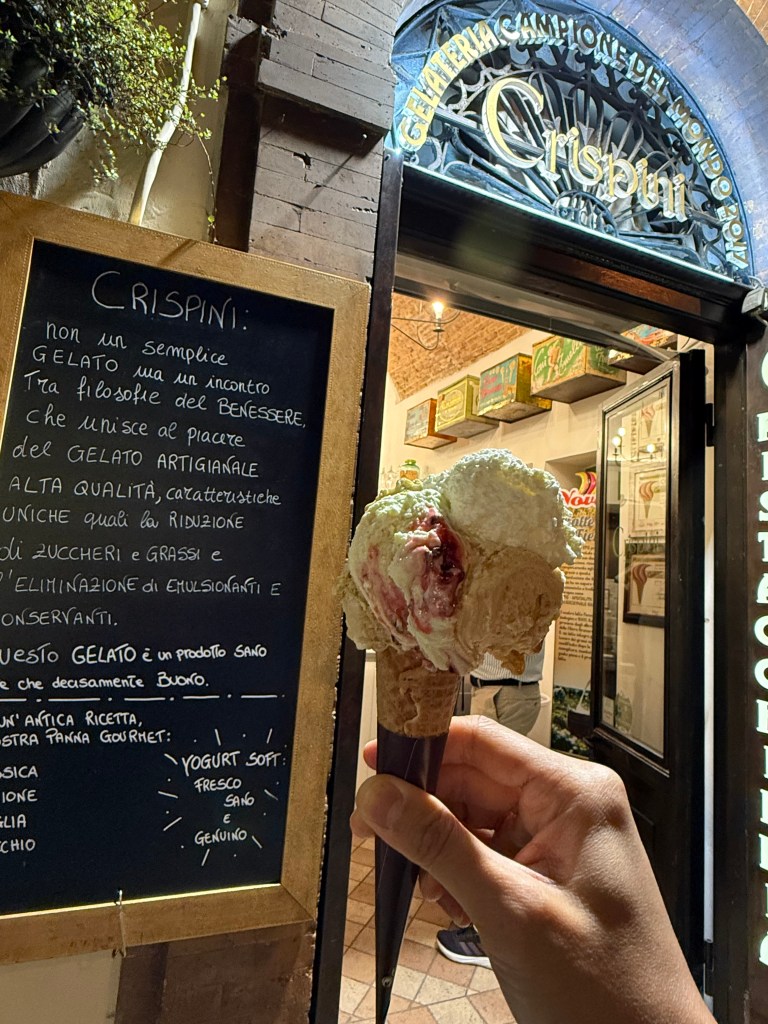
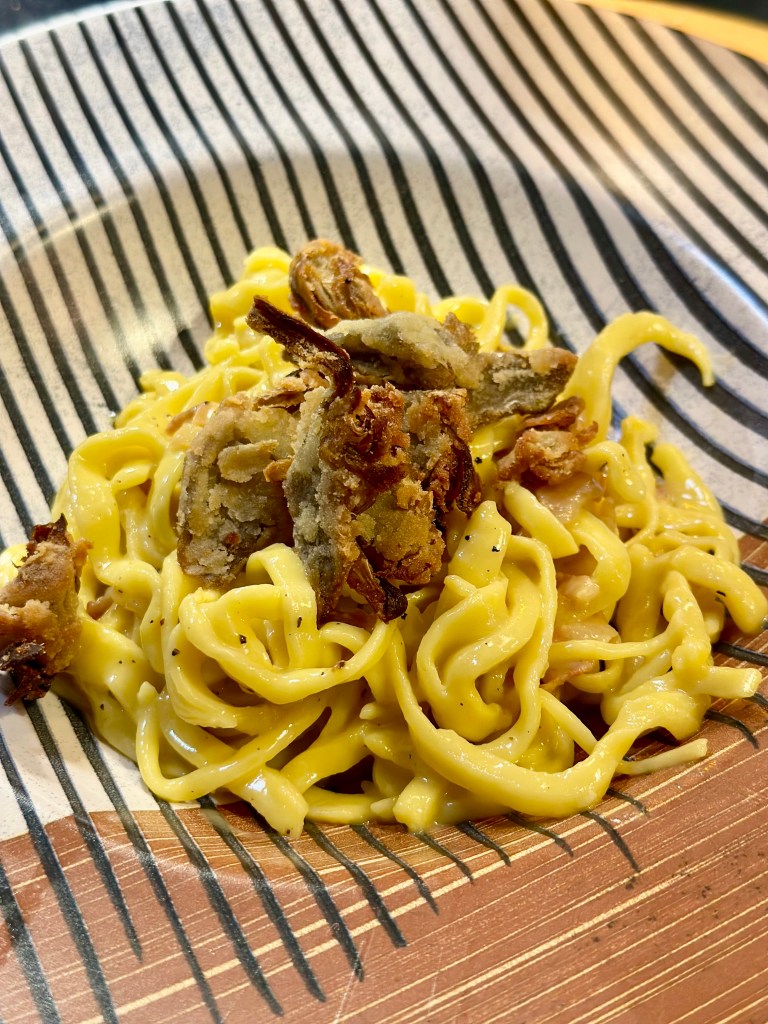
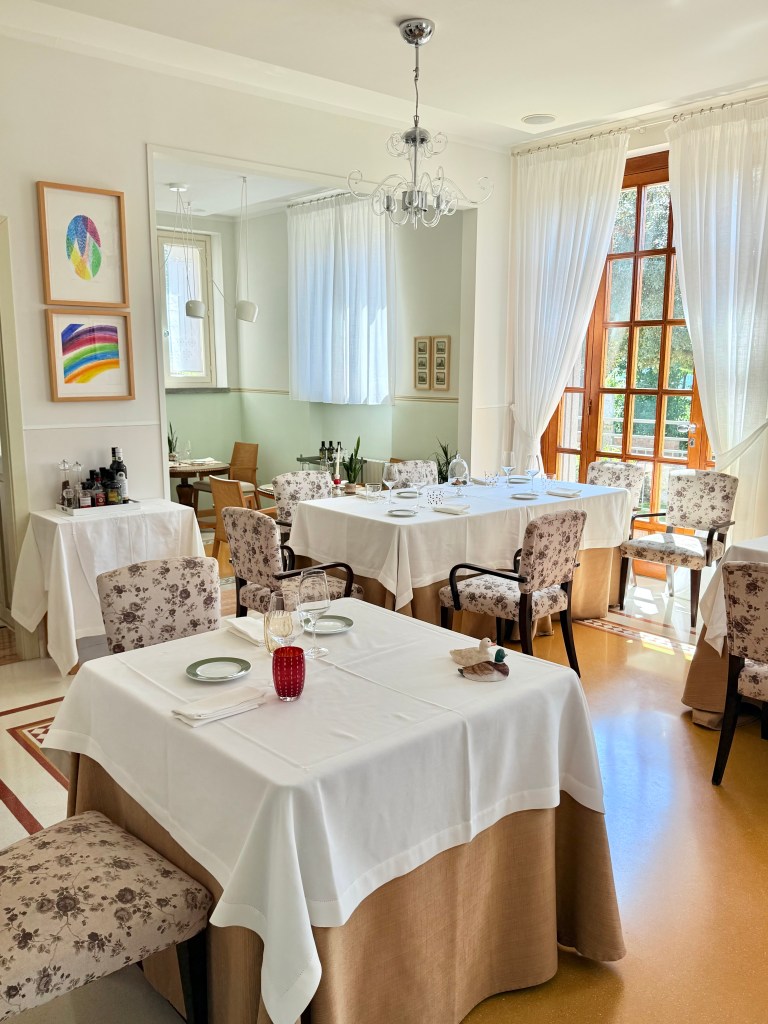
Umbria invites you to wander without itinerary. And yet, its pockets of beauty are worth lingering over. In Spoleto, the Duomo di Santa Maria Assunta takes your breath away, especially in the soft evening light. The town’s soul comes alive during the Festival dei Due Mondi, a blend of music, art, and theatre that fills the streets with energy. Between shows, a nice authentic Italian meal with a contemporary twist at Ristorante 9Cento (Strangozzi – a typical Umbrian pasta type – would be a must to order) and a Pistachio gelato from the award-winning Crispini is a must.
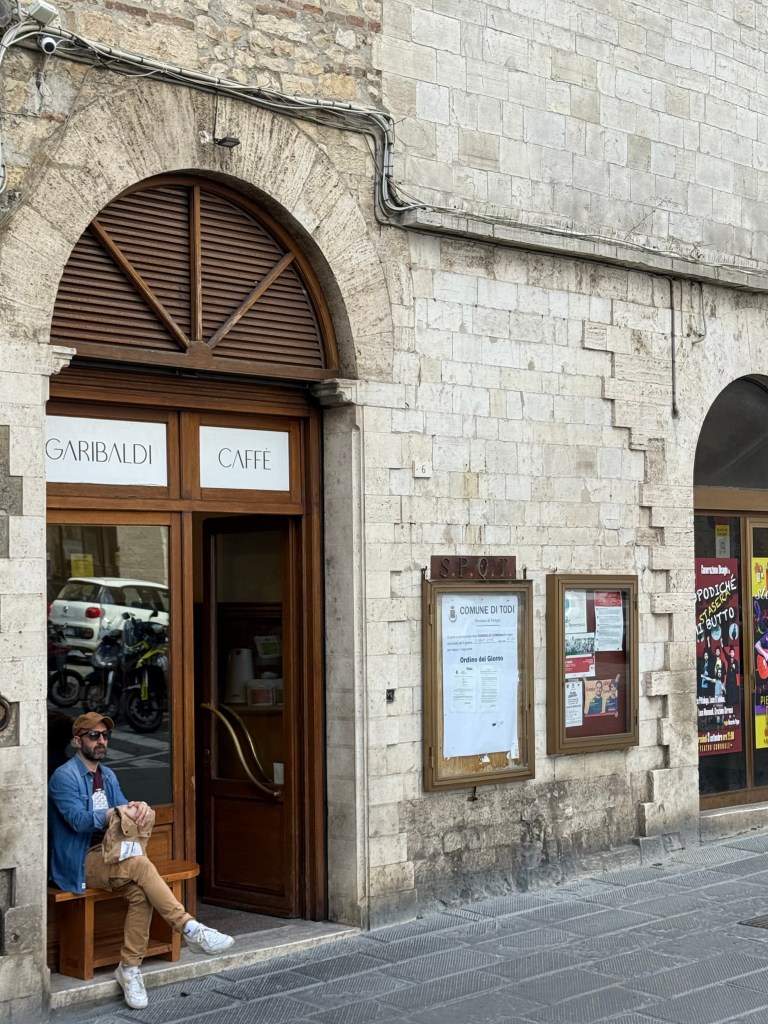
Todi welcomes you like a lived-in dream – order a morning espresso at Garibaldi Caffè, then watch the world pass slowly in Piazza del Popolo, where a charming new deli-restaurant Deli brings life to one of Umbria’s most photogenic square. For a more refined dining experience, Fiorfiore Restaurant located just outside the old town would be my personal choice.
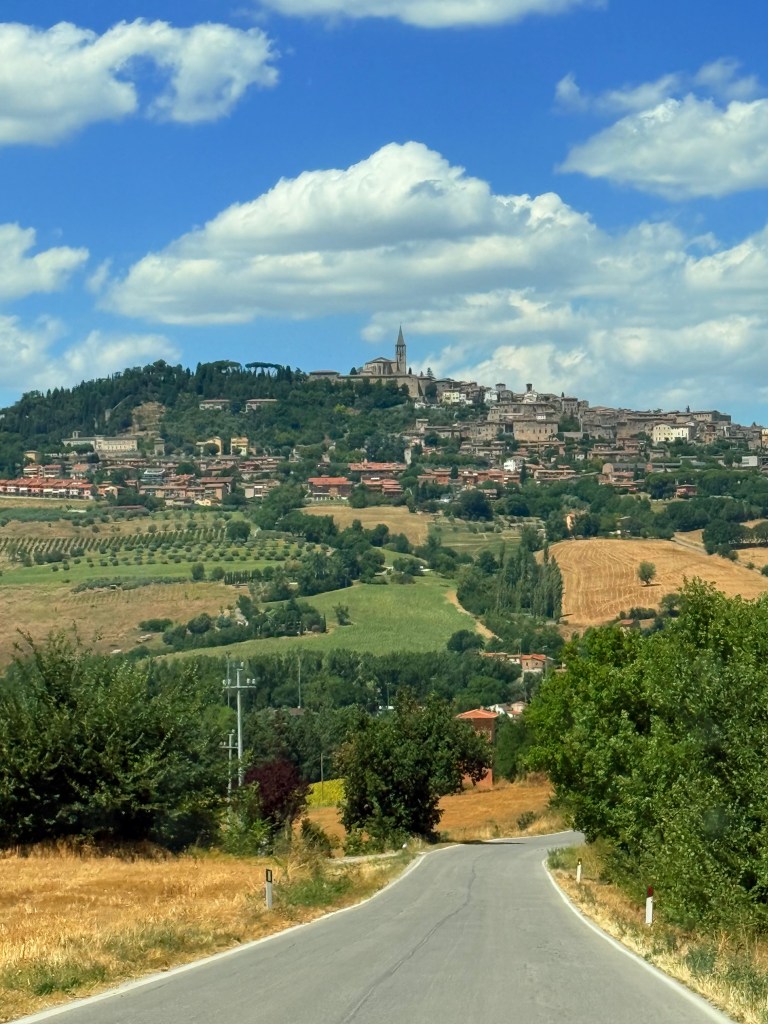
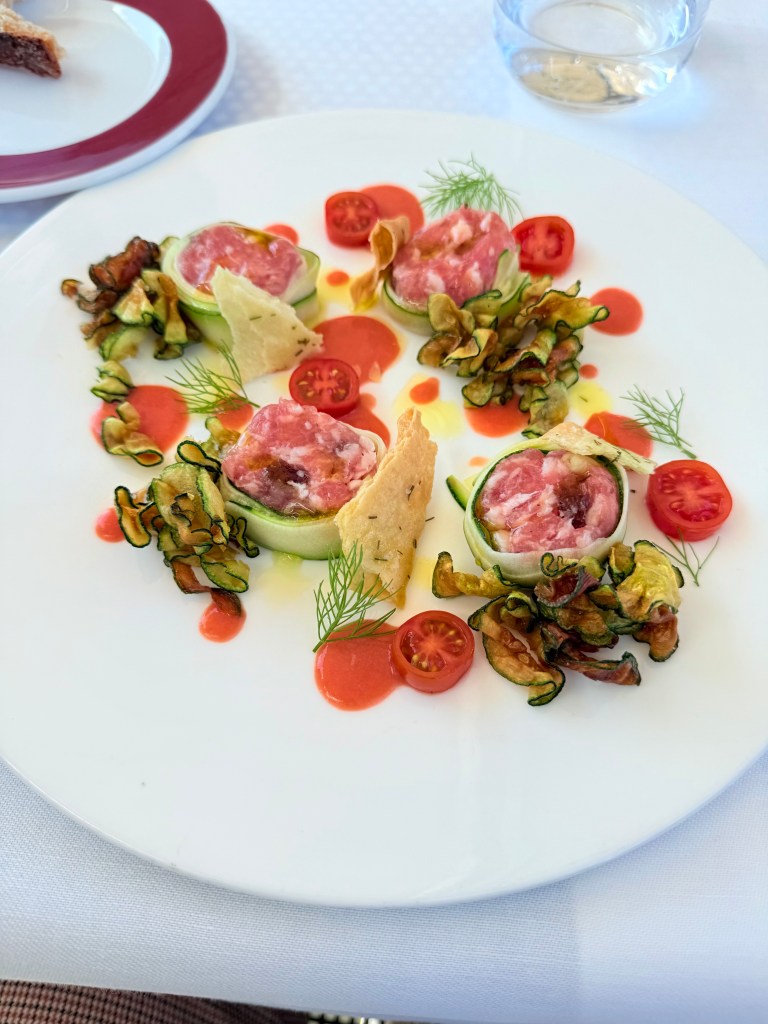

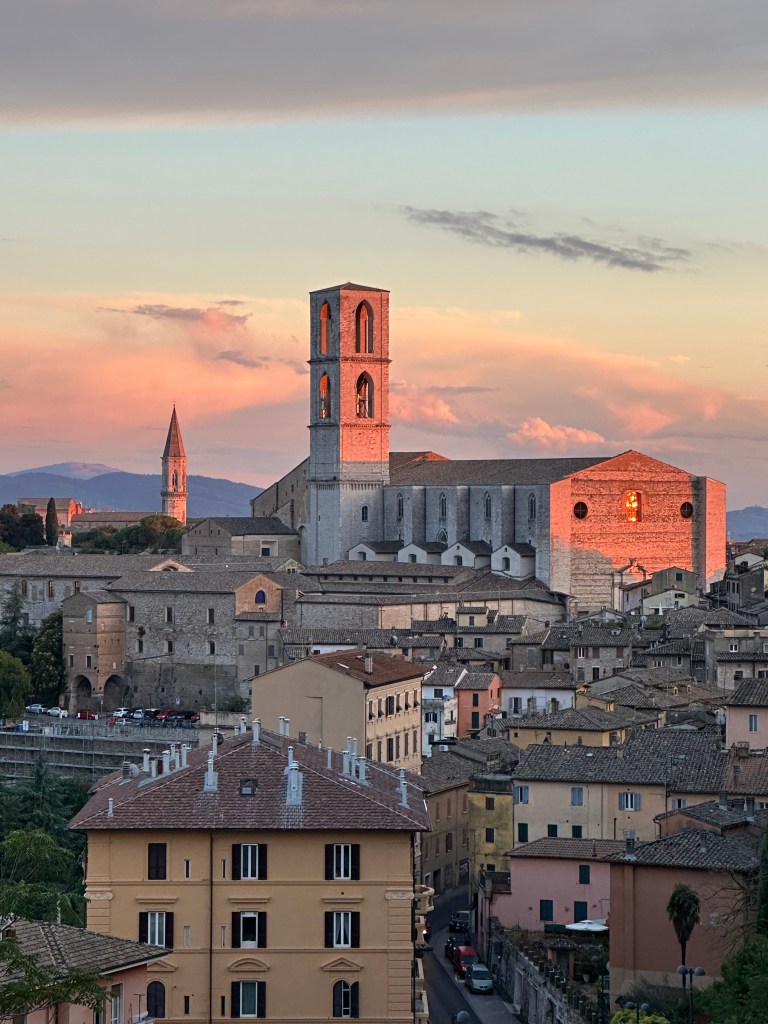
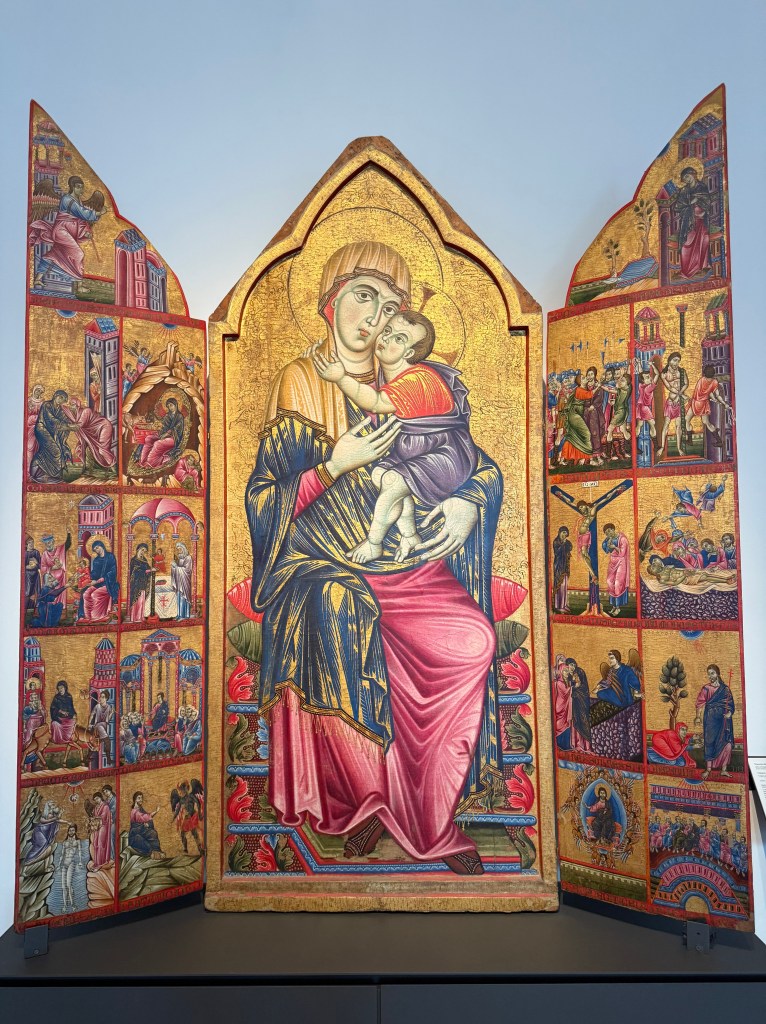
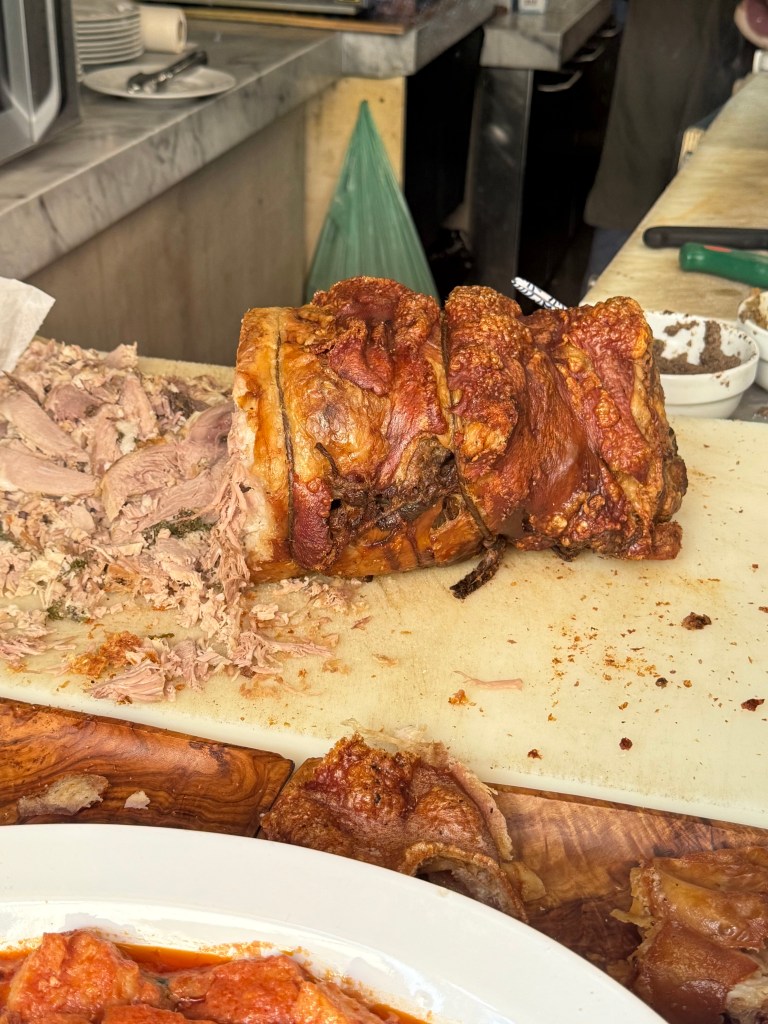
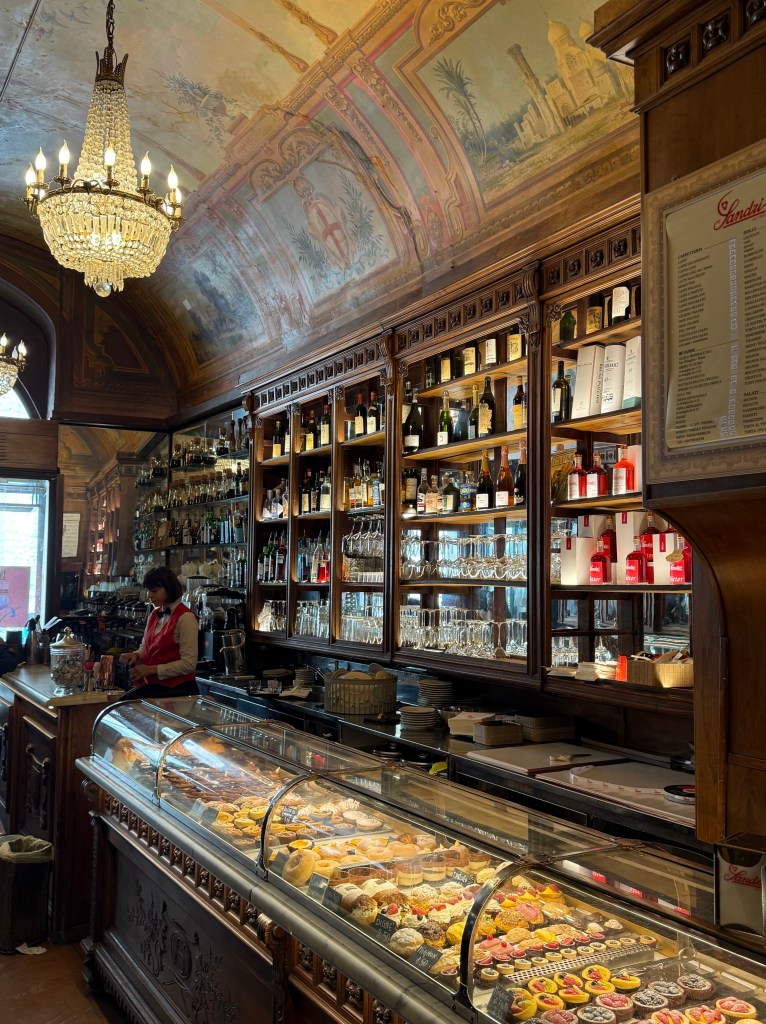
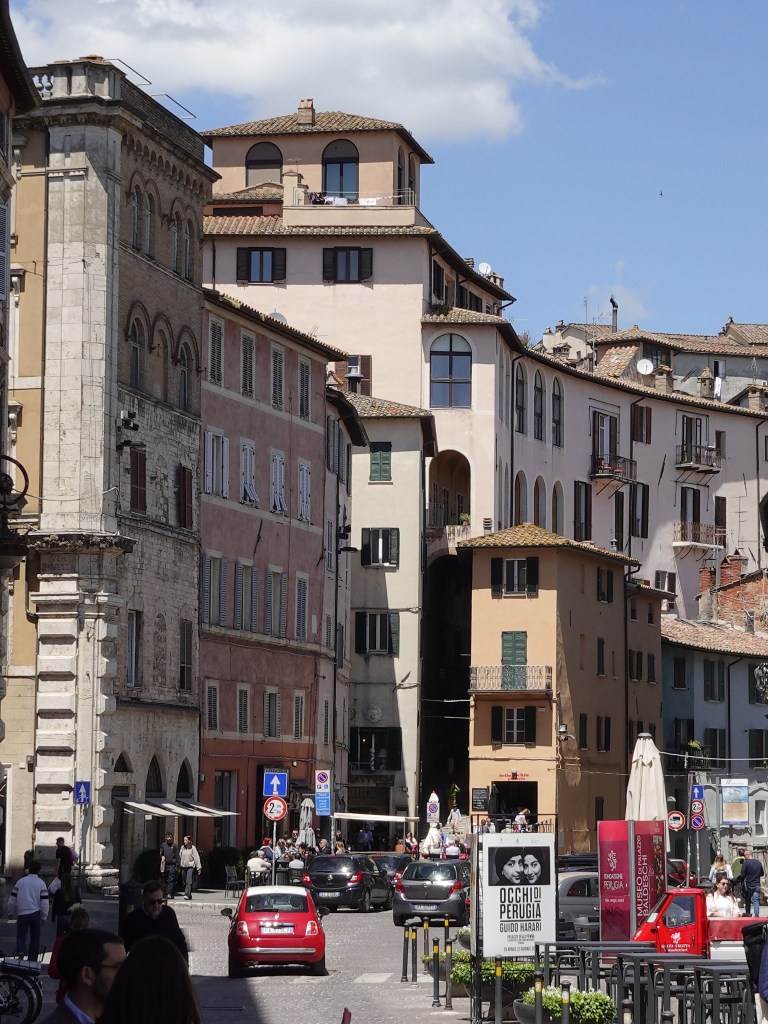
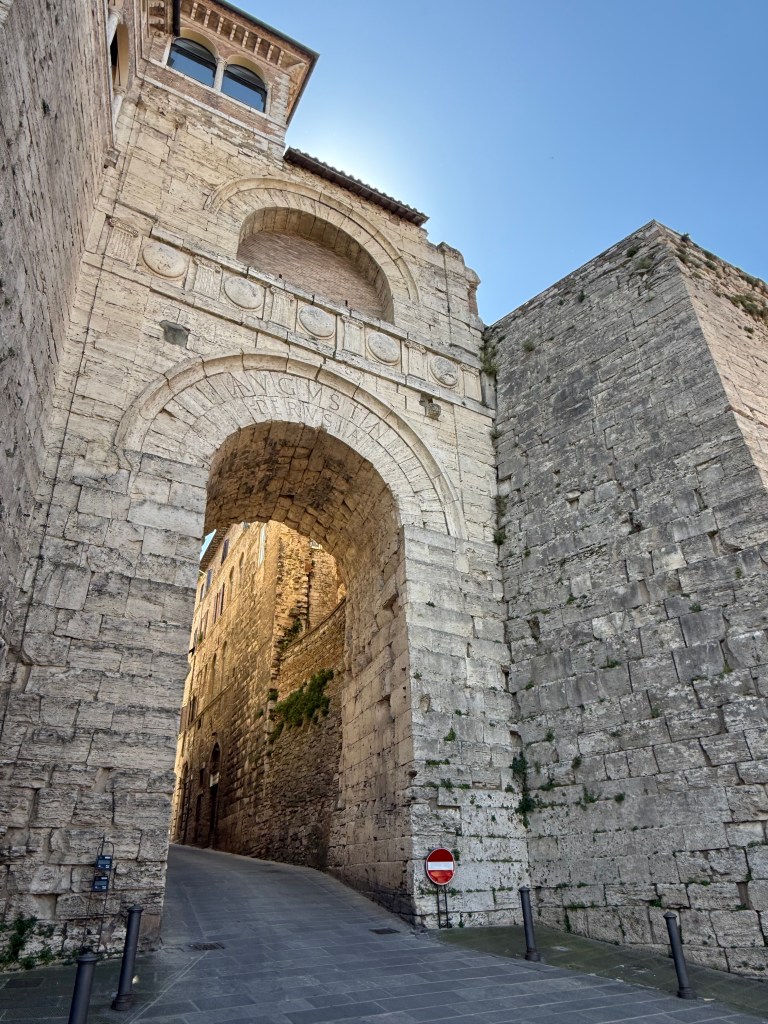
Perugia, the region’s capital, has an understated grandness. It dates back to the third century BC. Its Rocca Paolina is a fortress beneath a city, while the Umbria National Gallery hosts over 3,000 works – a journey through eight centuries of Italian art and culture. Step into the timeless Pasticceria Sandri dal 1860, and for a refined dinner tucked in the medieval core, Il Cantinone on Via Ritorta is a gem. Don’t miss the porchetta from Antica Salumeria Granieri Amato – a local must-eat – or the view from Sina Brufani Hotel, which sweeps across the hills.

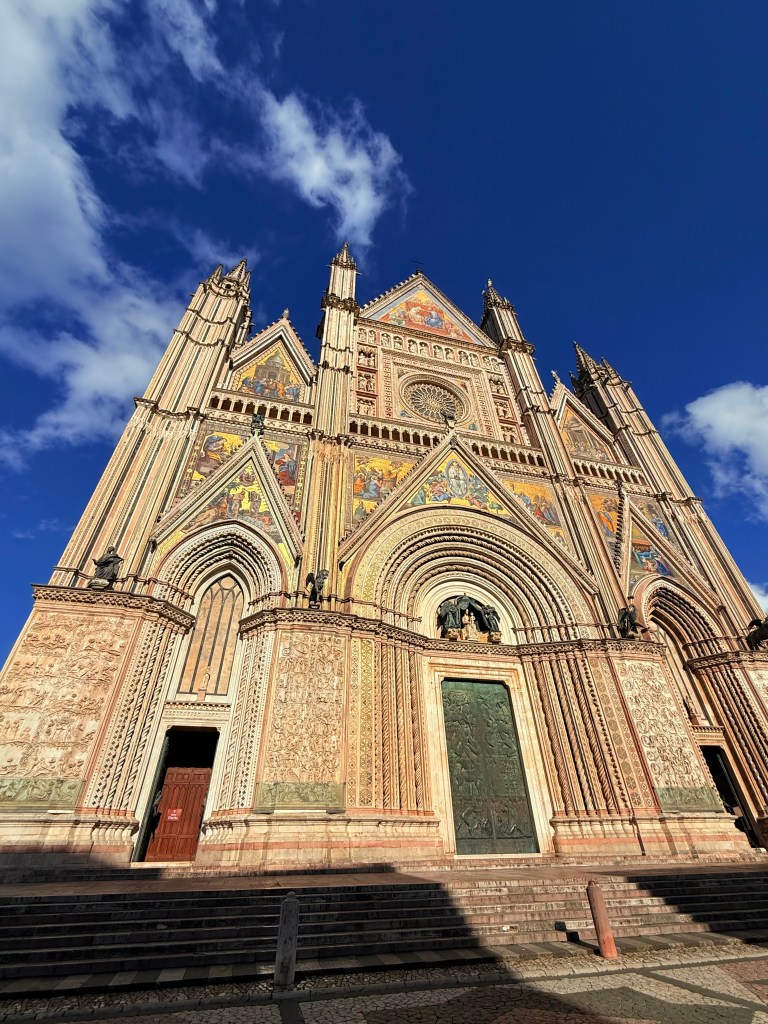
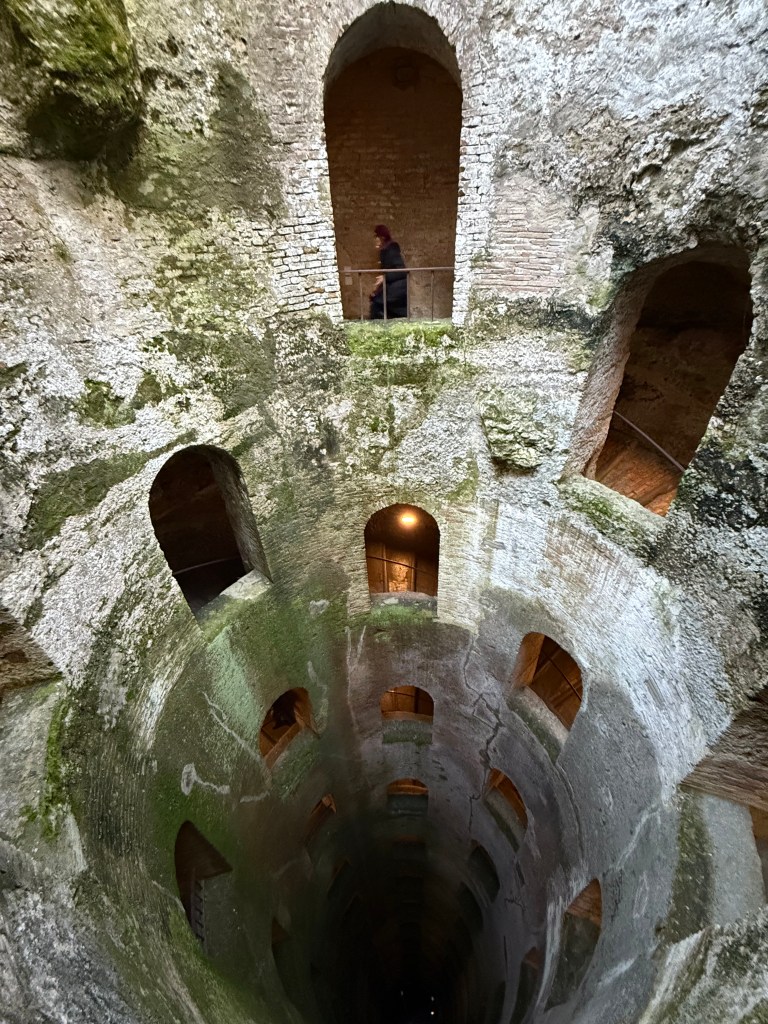
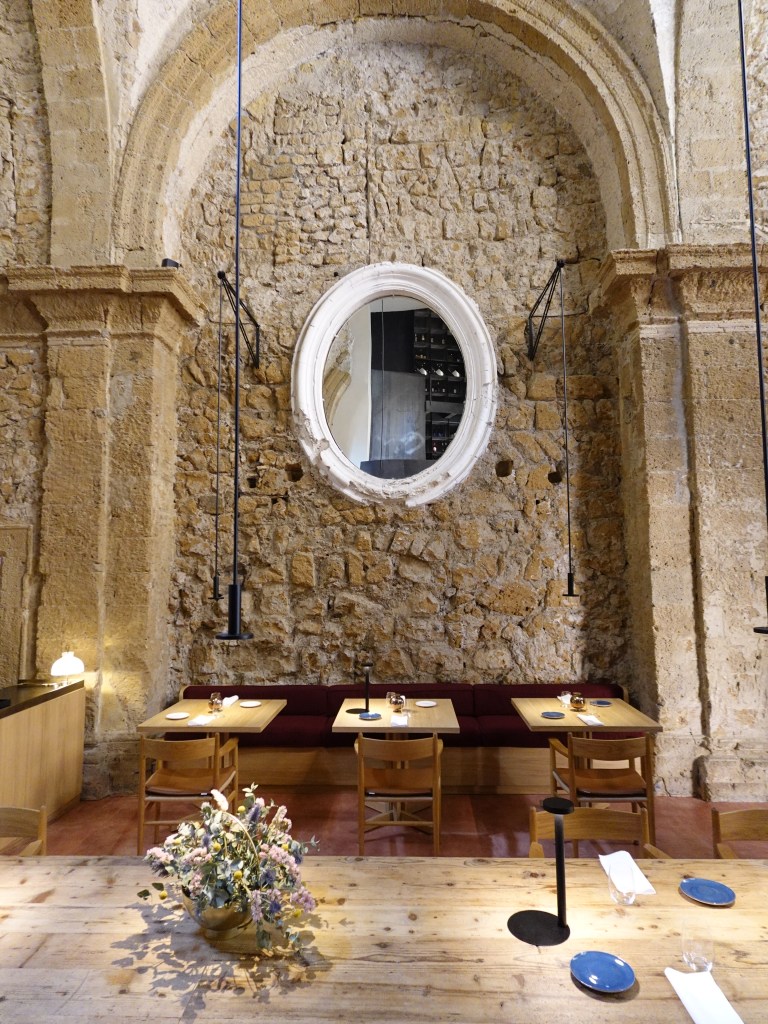
Orvieto’s grandeur is etched in stone. Its Duomo (Cattedrale di S.Maria Assunta) built in 1300s is an explosion of colour and craft, and beneath the surface lies the Pozzo di San Patrizio, a double-helix well carved deep into the rock. For food, Coro Ristorante is elegant, while L’Oste del Re serves up rustic soul – don’t miss their tender cinghiale (wild boar, very typical of Umbrian cuisine).
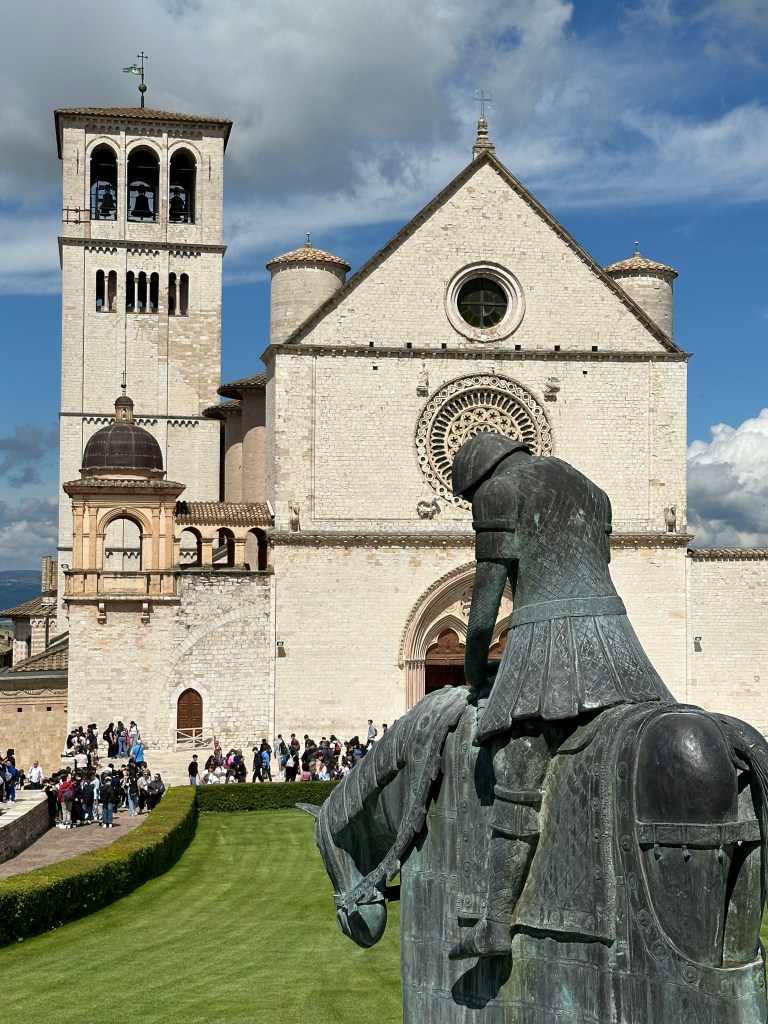
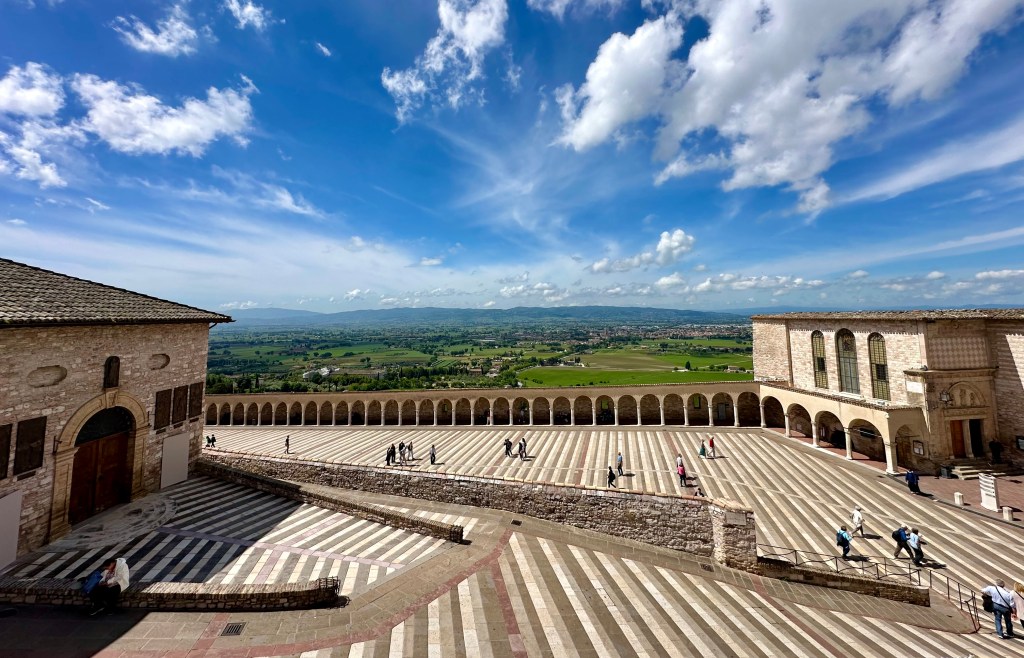
Assisi, perched gracefully on the slopes of Mount Subasio, is a place where silence and spirituality intertwine with architectural beauty. At its heart stands the Basilica of San Francesco, a UNESCO World Heritage Site and one of Italy’s most revered pilgrimage destinations. The church, with its striking frescoes by Giotto and Cimabue, invites quiet reflection, while the grand staircase beside it leads visitors down toward sweeping valley views. It’s a spot that captures essence of Umbria: serene, timeless, and deeply moving in its simplicity.
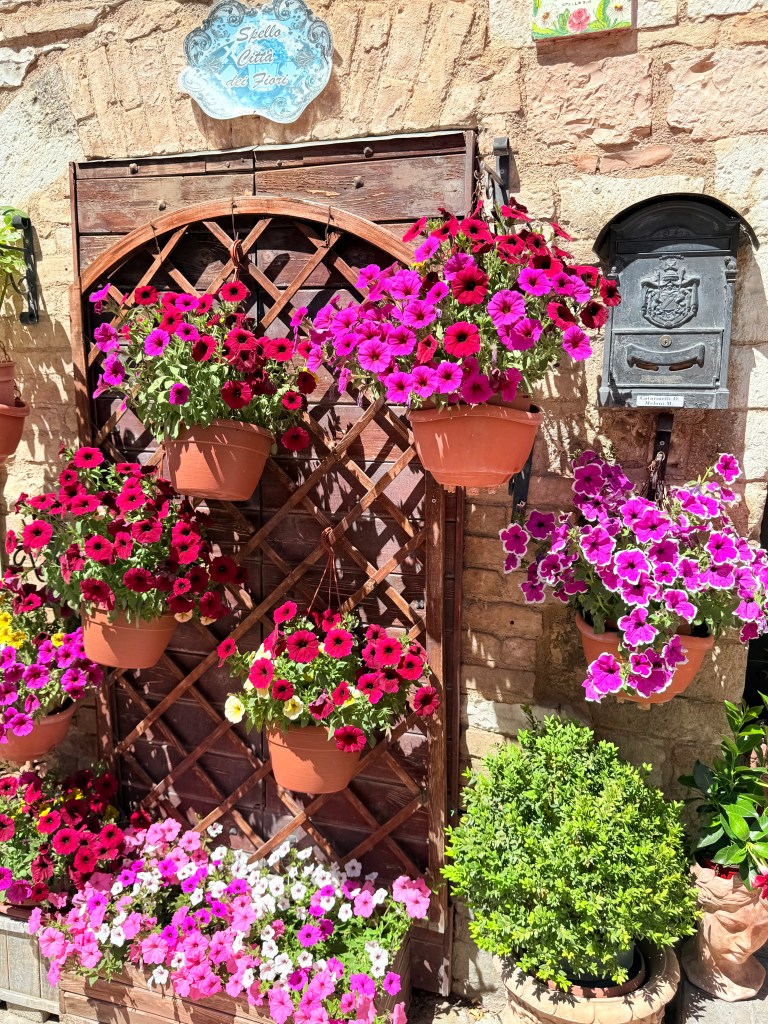
Then there’s Spello – a hill town in bloom. Draped in flowers and sunlight, its pink-stone streets wind between homes covered in potted colour. A nice relaxing lunch at Il Molino is the perfect way to let time stretch.
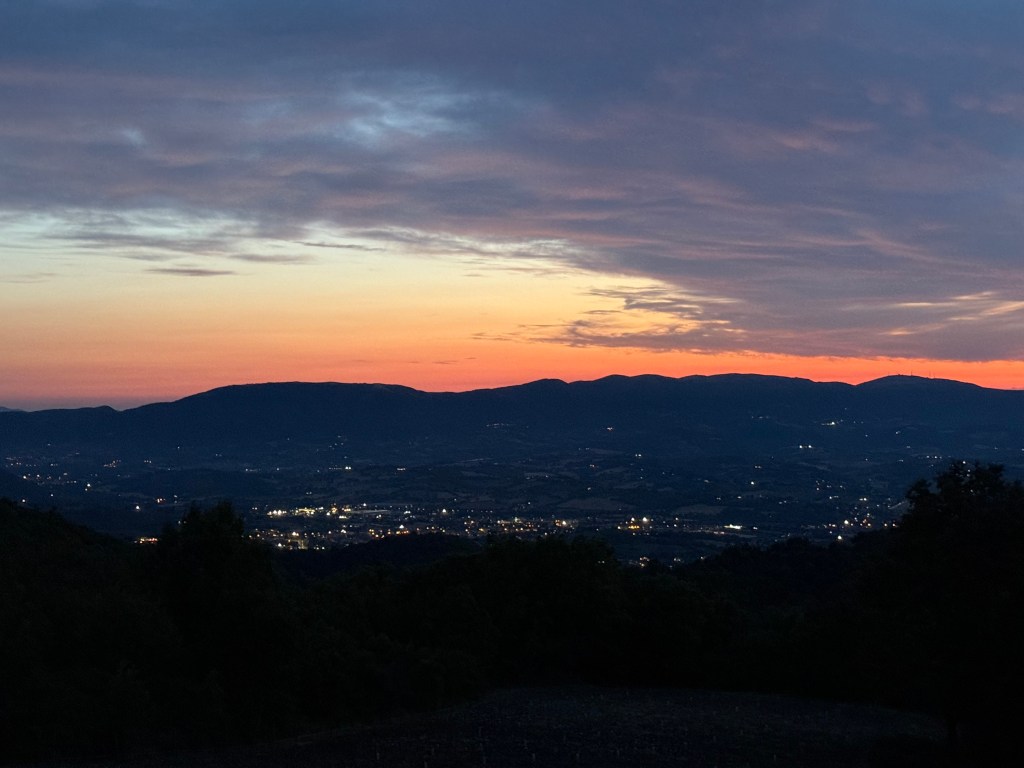
Things you’ll love in Umbria:
- Long, slow lunches on sun-washed terraces
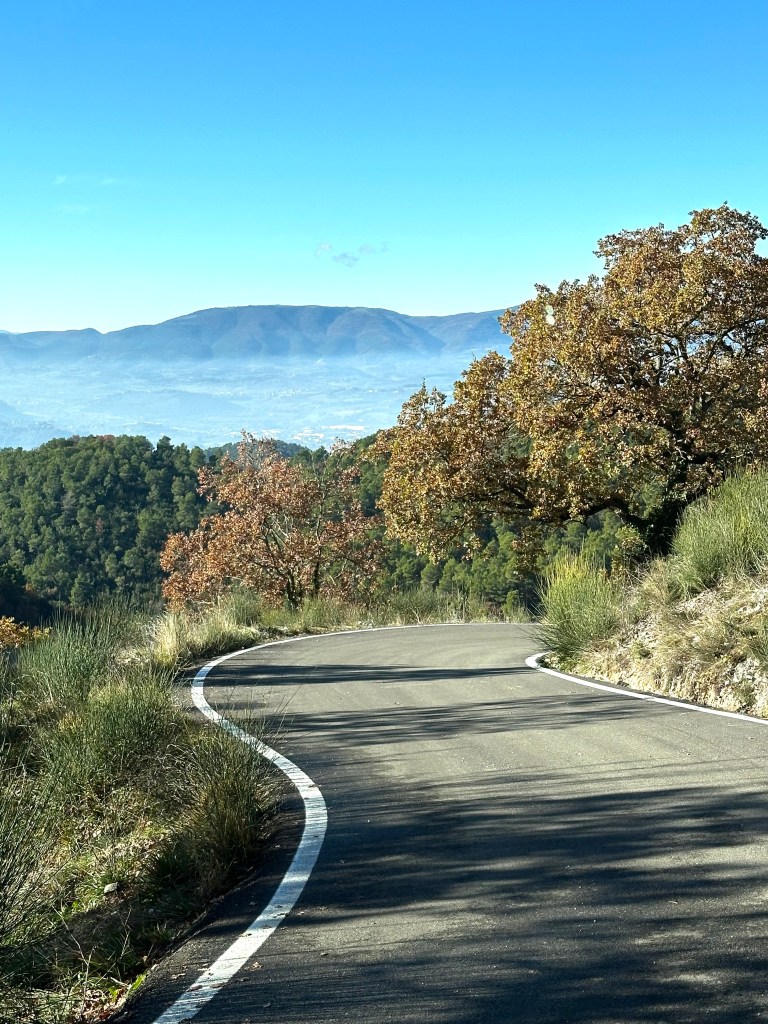
- Wildflower-lined roads between towns
- Delicious gelato
- A piazza to yourself on a weekday morning
- Hearing church bells echo through the hills
- A glass of local Sagrantino with cinghiale
Umbria doesn’t compete. It doesn’t have to. It offers you quiet streets, layered meals, and a sense of slowness that feels increasingly rare. If Tuscany is the postcard, Umbria is the handwritten letter – warm, personal, and meant just for you.
Getting to Umbria:
Fly into Rome or Florence – both are about 2 hours away by car or train. Alternatively, there’s a smaller airport in Umbria (San Francesco d’Assisi Airport) that connects certain European cities such as London, Brussels, Rotterdam, and Italian cities like Palermo, Catania, Cagliari. * Do check airline websites for updated information.
Best time to visit:
Spring (May – June) or Autumn (September – October)
Don’t rush – 5 days minimum to feel the rhythm.
Feel free to follow me on Instagram @FoodieGoesTravel for more insights.
 Going Places
Leave a comment